


1st Camo One Point Kids Sweatpant
$ 179

ABC Camo One Point Blue Kids Sweatpant
$ 179

ABC Camo One Point Green Kids Sweatpant
$ 179

ABC Camo One Point Pink Kids Sweatpant
$ 179

ABC Camo Shark Yellow Kids Sweatpant
$ 189

APE Head One Point Kids Sweatpant
$ 159

Color Camo Side Bape Tape Navy Kids Pant
$ 189

Color Camo Side Bape Tape Purple Kids Pant
$ 189

Color Camo Side Bape Tape Red Kids Pant
$ 189
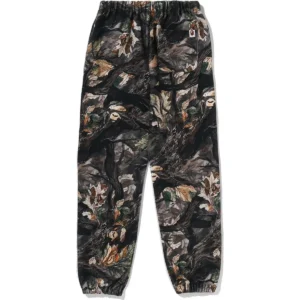
Tree Edge Camo Brown JR Kids Sweatpant
$ 199BAPE Kids Bottoms
Sweatpants exist because early-1900s athletes were training in stiff wool trousers that didn’t stretch. In the 1920s, French sportswear founder Émile Camuset solved that with soft, loose jersey-knit pants — the first sweatpants — and by 1939 his company had paired them with a matching top to invent the tracksuit. That same jersey-knit logic sits underneath BAPE® kids pants, joggers, and shorts today: built for movement first, branding second. See the rest of the kids collection to build a full outfit around them.
Why Waist and Inseam Matter More Than Height Here
Most of BAPE Kids sizing runs on a single height-based number, but bottoms are one category where that alone isn’t quite enough — waist and inseam length affect fit more directly than they do for a t-shirt or hoodie. A few things worth checking before buying:
- Look for an adjustable inner waistband. Many kids’ pants, joggers, and shorts include internal elastic tabs or a drawcord that let you take the waist in or let it out as your child grows — check the product description for this feature if your child is between sizes.
- Inseam length varies by style even within the same size label. A jogger and a straight-leg pant in the same size number won’t necessarily hit the ankle the same way — cuffed or elastic-hem styles have more forgiveness than a hemmed straight leg.
- Elastic waistbands (not drawstrings) are the norm for younger sizes. Full drawstrings are less common in bottoms for the youngest ages, partly for the same practical reasons they’re restricted in outerwear — an easy pull-on elastic waist is simpler for a toddler to manage independently anyway.
Built for Actual Movement
Because bottoms take the most physical wear of any category — knees on pavement, seat time at desks, constant bending and running — reinforced knees and a slightly roomier cut through the leg go a long way. If you’re shopping for a child who’s hard on their clothes, styles with double-layer knees or a heavier fleece weight will outlast a lighter jersey pant.
Shop by Style
Sweatpants & Joggers — The core of the category: elastic-waist, tapered-leg pants in fleece or jersey knit, generally the most forgiving fit for growing kids.
Camo Track Pants — BAPE’s house camo applied to a classic track-pant cut, often with side taping or piping detail nodding to the brand’s varsity styling.
Frequently Asked Questions
Q1: ow is BAPE Kids bottoms sizing different from the t-shirt sizing chart?
Ans: Height still matters, but waist and inseam affect the fit more directly for pants than for a tee — check the specific product’s waist and inseam measurements rather than relying on the height chart alone.
Q2: Do BAPE Kids pants have adjustable waistbands?
Ans: Many styles include an internal elastic tab or drawcord to adjust the waist — check the individual product listing, since this varies by style and age range.
Q3: Are BAPE Kids joggers or track pants more durable for active kids?
Ans: Fleece joggers with reinforced knees tend to hold up better to daily rough wear than lighter jersey track pants, though both use the same camo and graphic options.
Q4: Should I size up for pants the way I would for a jacket?
Ans: A little room in the waist (especially with an adjustable tab) makes more sense than sizing up the whole pant, since an overly long inseam just means bunched or dragging fabric rather than usable growing room.